
MAKO TAGGING SCIENTIFIC EXPEDITION
Join us on a real scientific expedition to place GPS satellite tags on Shortfin Mako sharks !
Where?
Cabo San Lucas, Baja California Sur, Mexico
When?
The expedition will take place from April 5 to April 11 2026.
What?
Join a real scientific expedition to tag Shortfin Mako sharks. Be actively part of the tagging process. Swim with Blue sharks and Makos as well.
How many people?
This is a super exclusive expedition with only 4 guests on board.
BAJA CALIFORNIA
A place like no other for marine megafauna !
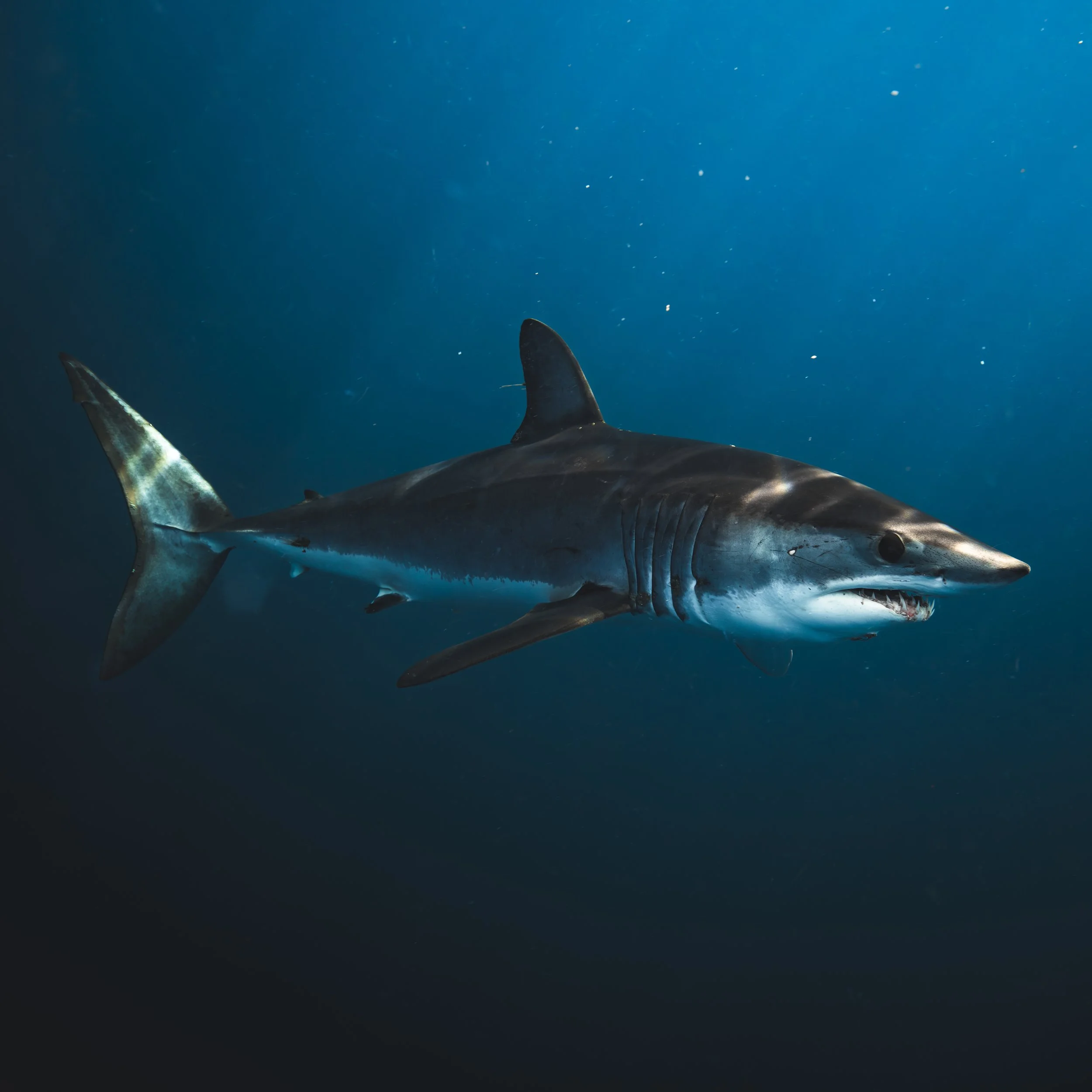
Nestled at the southern tip of the Baja California Peninsula, Baja California Sur is a place like no other. Its rich waters host an incredible array of marine life, including Mako sharks, Blue sharks, Sea lions, Humpback whales, Orcas and a lot more !
The goal of this expedition is to tag 3 Shortfin Mako sharks but it’s also to give you an exclusive experience in the water with this incredible shark species ! You’ll to swim with Makos and Blues and feel the unmatched adrenaline of being in the water with such apex predators.
By joining this expedition, you don’t only get to live a truly unique experience by being part of a scientific expedition but you also support shark conservation as 100% of the profits of all our expeditions is going to the different shark conservation projects we lead.
THE MIGHTY MAKO SHARK !
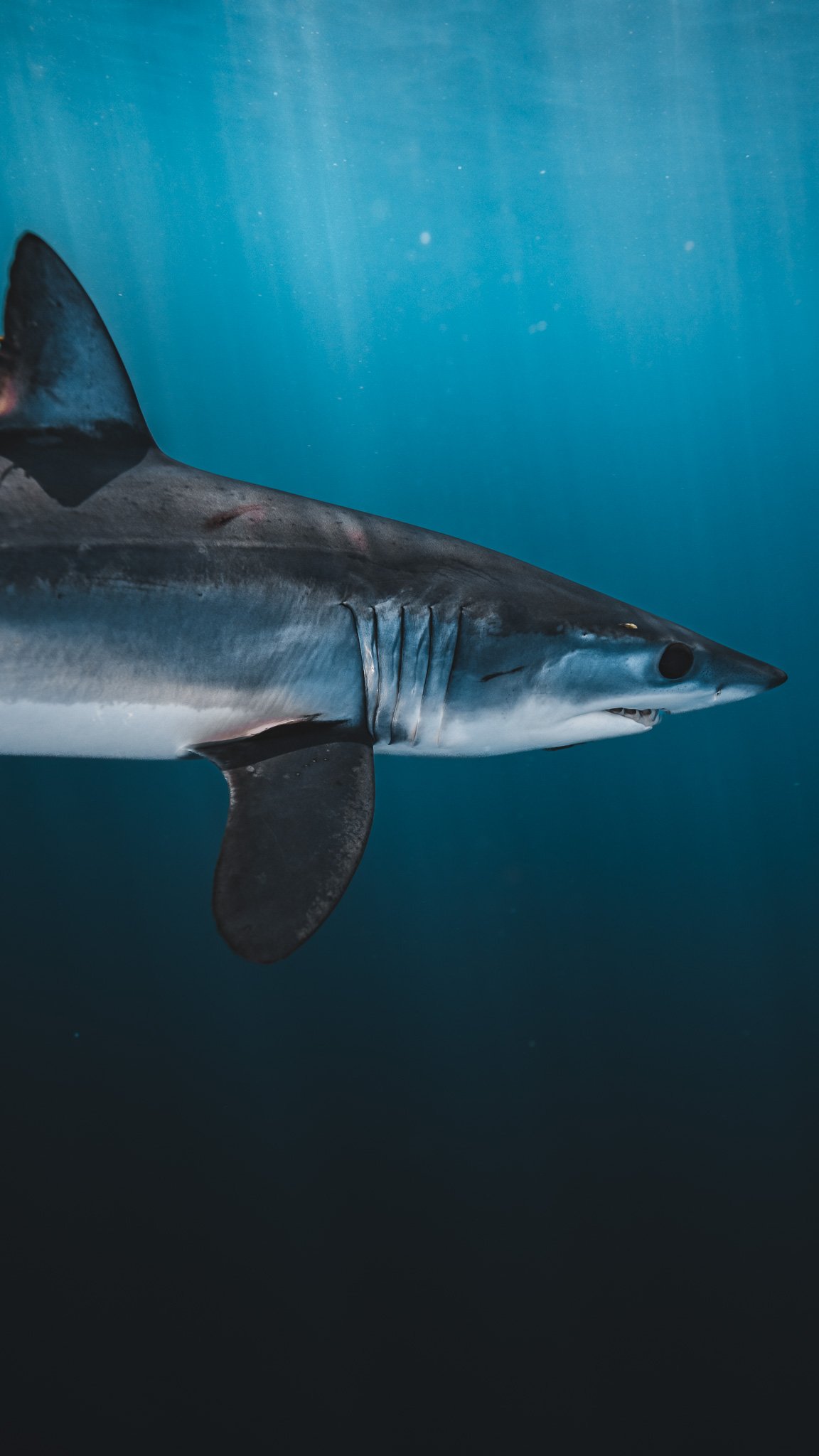
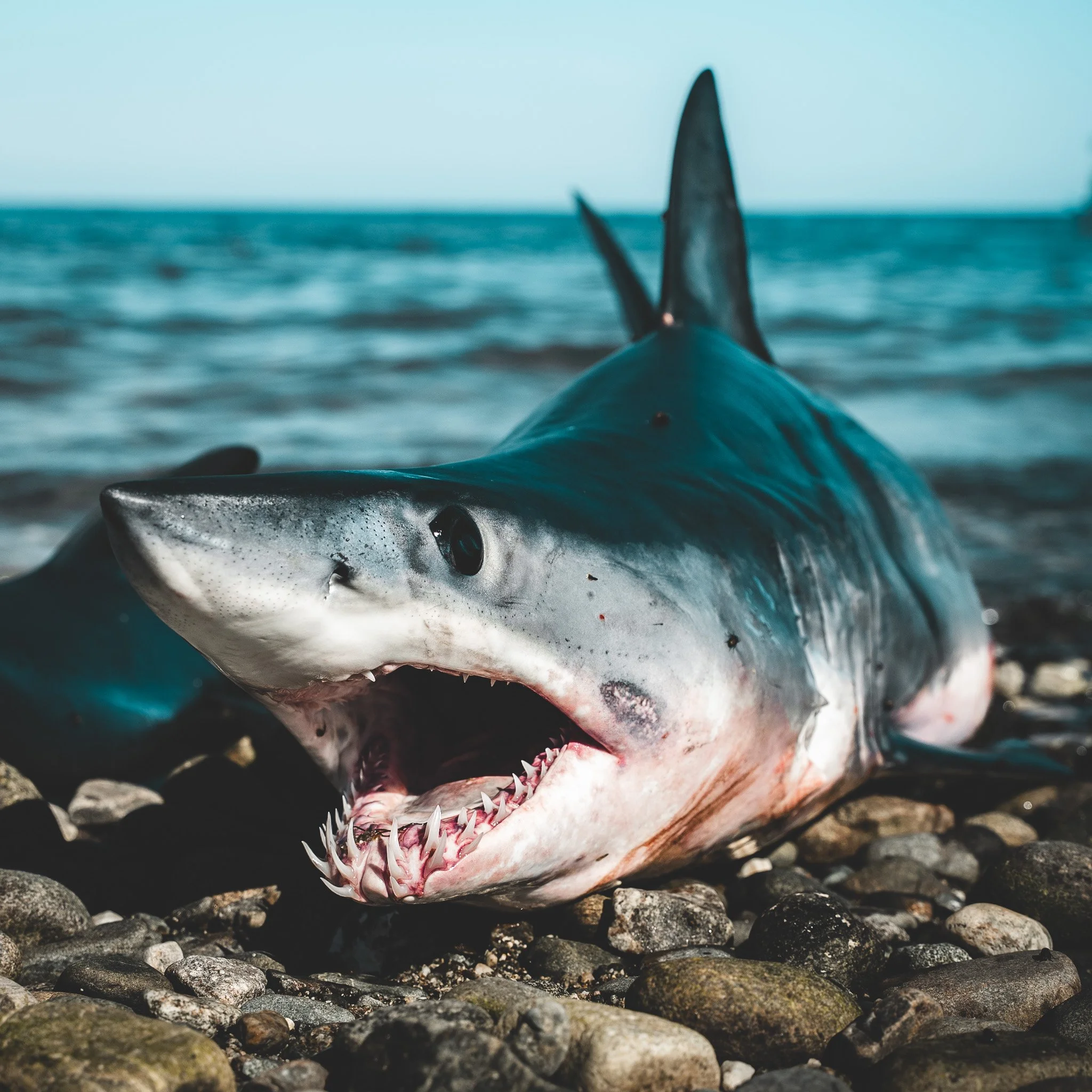
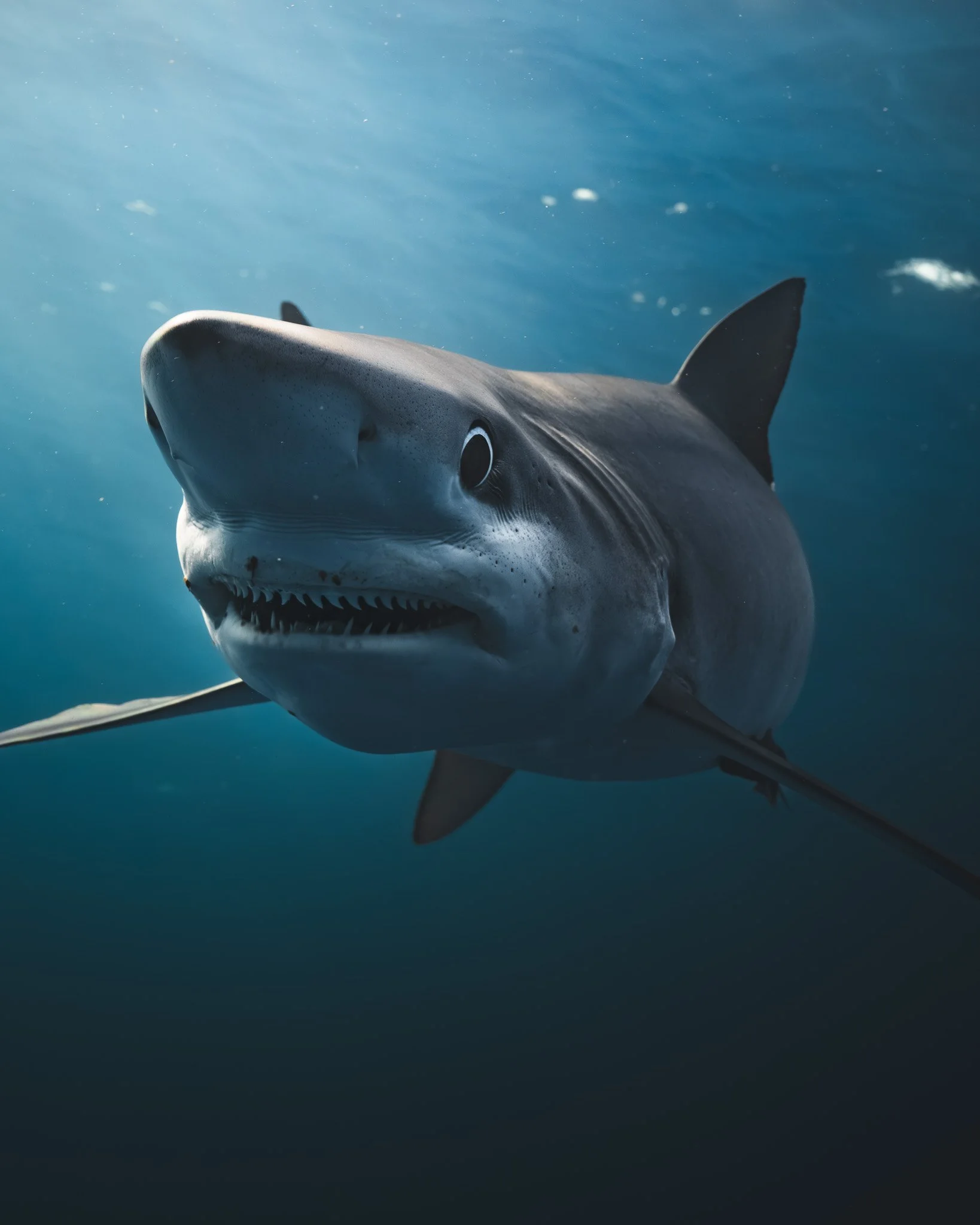
The Shortfin Mako is the fastest shark in the world but is also endangered because of the constant pressure of fishing boats that are constantly harvesting his territory. Baja California is one of the only place in the world where we can regularly find them.
Mako sharks are a pelagic species meaning that they spend their entire life in the open ocean, far from shore !
In order to find them, we’ll head out at sea in key locations far from the coast that are only known by our local crew. Once there, the waiting game starts… We’re using a specific chumming technique to attract them to our boat.
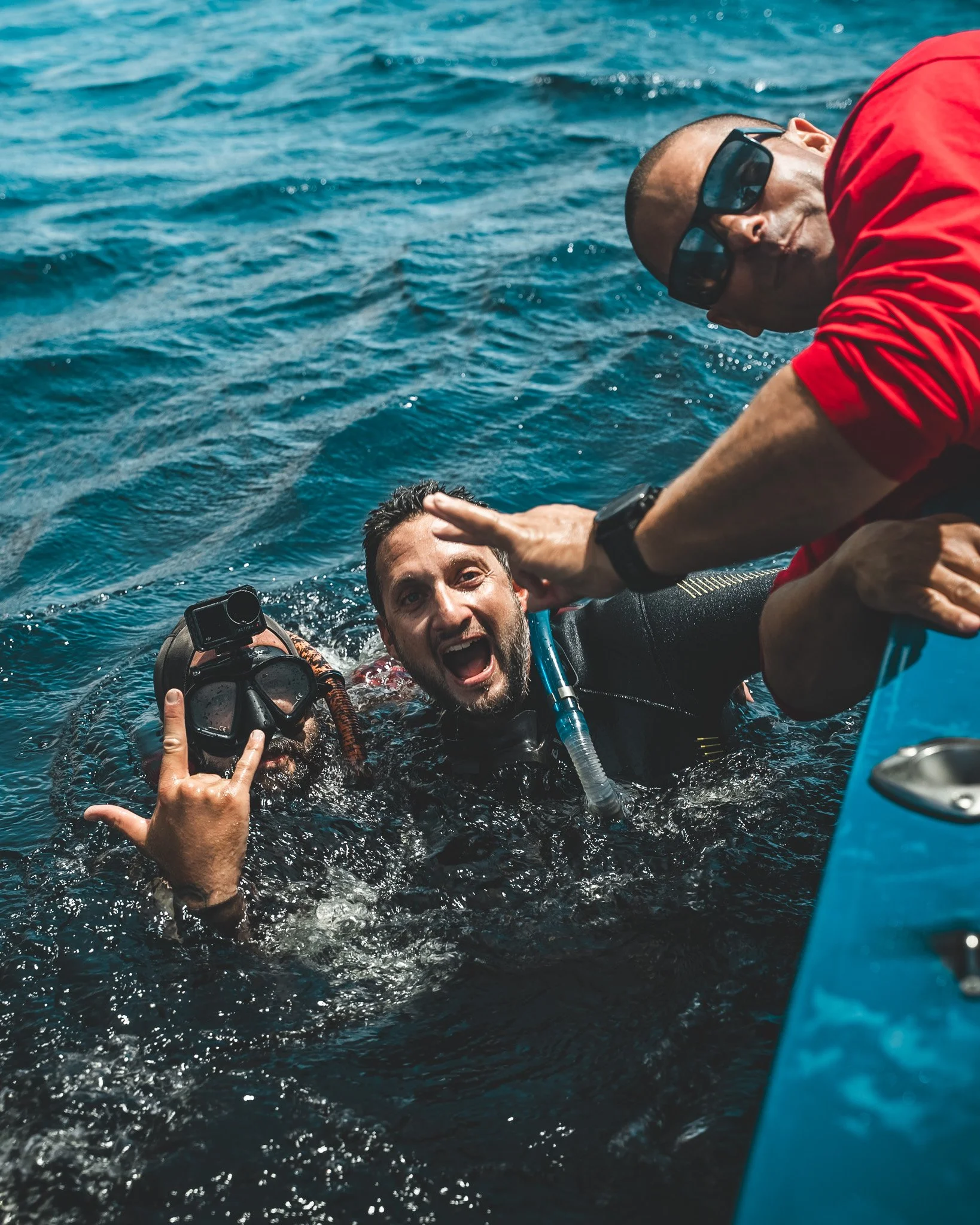
Once they show up, we all get ready and slowly slide in the water to enjoy the show. Makos are amazing sharks to interact with. Being the fastest sharks in the ocean, they aren’t afraid of us in the water and can be super interactive with us which makes unique encounters !
We have a highly experienced crew and always collaborate with the best local shark divers for perfect safety in the water.
MAKO SHARK TAGGING PROJECT
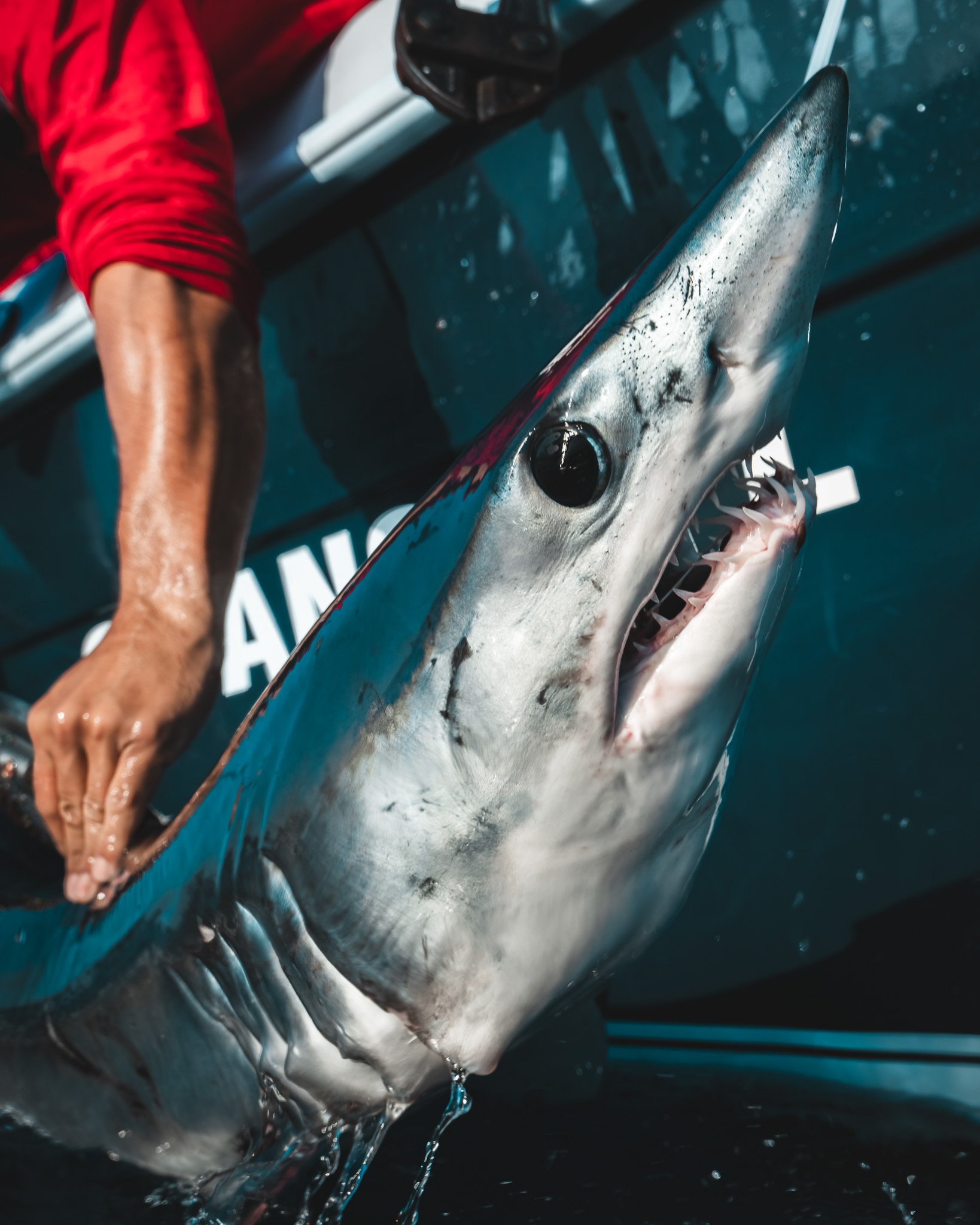
GPS Satellite tags are small devices that, once placed on a shark, allow us to track their movement in order to study their behavior and migration.
Being able to put a satellite tag on this specific species of shark is very challenging for a lot of different reasons.
First of all, we need to find a shark which can be tricky.
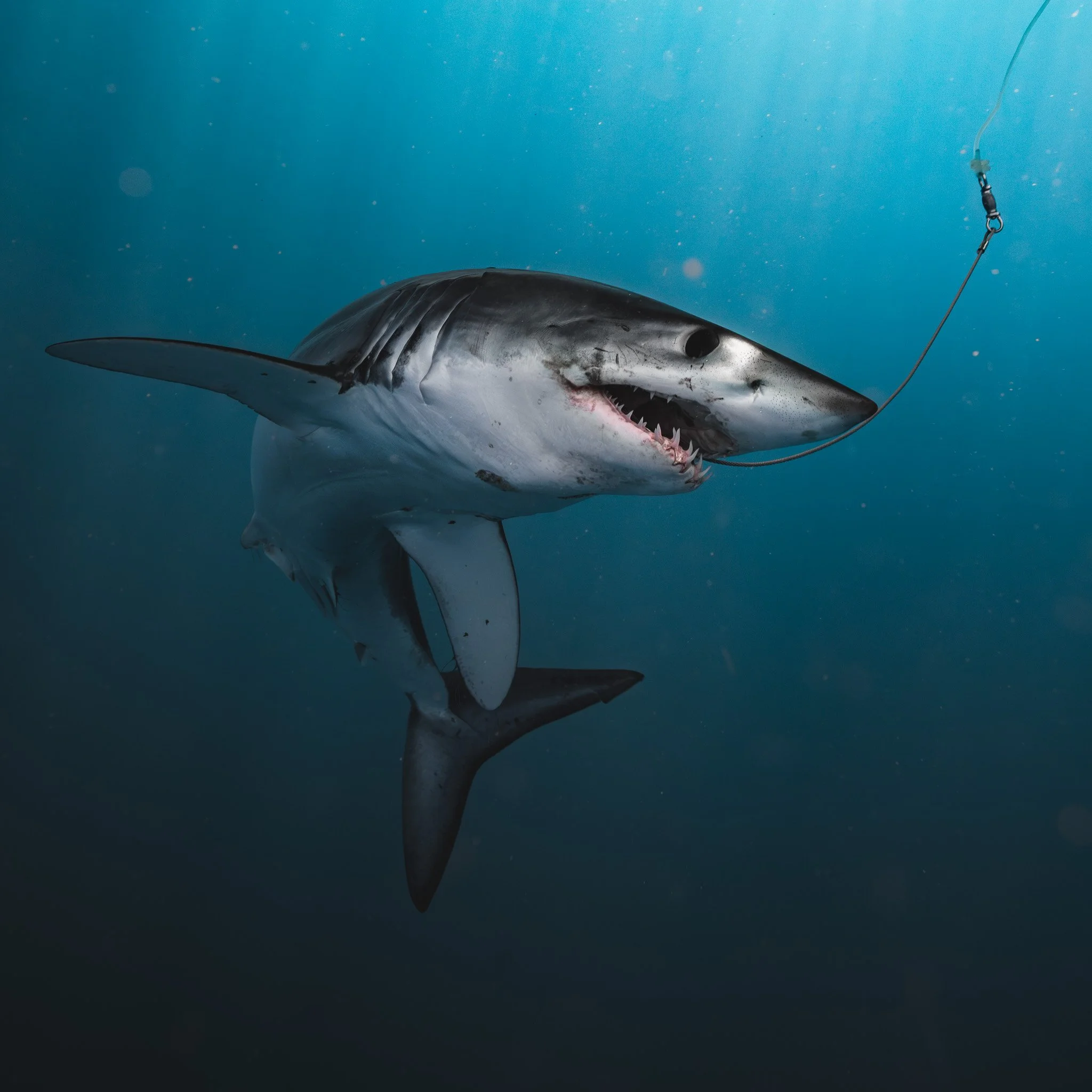
Once we find a shark, the next step is to hook the shark.
Once hooked, the true countdown starts because we have to be extremely efficient in order to minimize the stress caused to the animal.
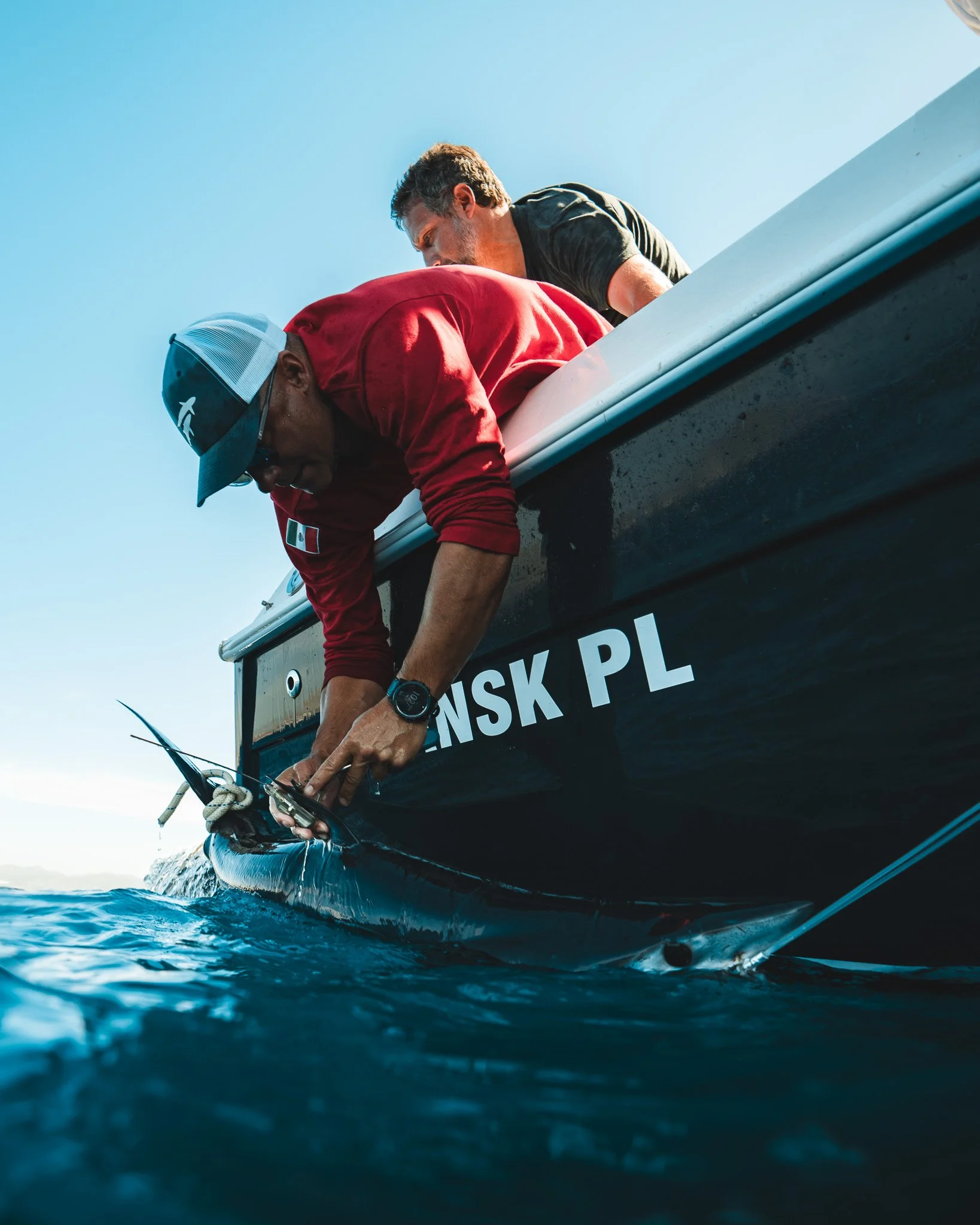
Once the shark is tightly attached to the boat, we can start the tagging process: drill 2 holes in the Mako’s dorsal fin, place the tag, screw it, cut the hook and safely release the shark !
Mission accomplished !
And you’ll be part of the entire mission: everyone will have a dedicated task while during the tagging process.
On the first day of the expedition, we’ll give specific workshops to teach you exactly what we’ll need from everyone during the tagging mission.
7 MAKOS ALREADY TAGGED
We’ve already tagged 7 makos sharks in the Gulf of California which had never been done before in this area !
3 makos were tagged in April 2023, 2 in April 2024 and 2 more in April 2025.
During this expedition, we’ll tag 3 more to reach a total of 10 sharks tagged !
This project is giving us extremely valuable data in order to better understand how these endangered sharks migrate, how they live and what they rely on to survive in order to better protect them in the future.
AN ENDANGERED SPECIES
We decided to study this specific species of sharks for several reasons.
Among them, the fact that these sharks are a very charismatic species and could be used to protect entire areas, and therefore, other marine species.
Moreover, these sharks have never been tagged in that area so very little is known about their movements and behavior.
But above all, Mako sharks are highly threatened by fisheries.
Mako sharks, specifically the shortfin mako (Isurus oxyrinchus) and the longfin mako (Isurus paucus), are considered to be endangered species. Several factors contribute to their declining population:
Overfishing: Mako sharks are highly valued for their meat, fins, and jaws. They are targeted by commercial and recreational fisheries due to their large size, speed, and the high market demand for their products. Overfishing has significantly depleted their numbers, as they reproduce at a relatively slow rate and cannot withstand intensive fishing pressure.
Bycatch: Mako sharks are often caught incidentally in fishing gear targeting other species, such as longline and gillnet fisheries. They are susceptible to entanglement in nets and can drown if unable to escape. Bycatch is a major threat to mako sharks and can result in significant mortality.
Reproductive vulnerability: Makos have a slow reproductive rate compared to other shark species. They reach sexual maturity at a late age (around 8-18 years) and have relatively few offspring per litter (up to 18 pups). This slow reproductive rate makes them particularly vulnerable to population declines caused by overfishing.
Habitat loss: Mako sharks are highly migratory and rely on specific habitats for feeding and reproduction. Overfishing and habitat degradation, such as the loss of coral reefs and destruction of coastal habitats, can disrupt their natural behavior and reduce available food sources.
By conducting such researches, it’ll help us better understand how they live and what they rely on to survive in order to better protect them in the future.
OTHER SHARK SPECIES
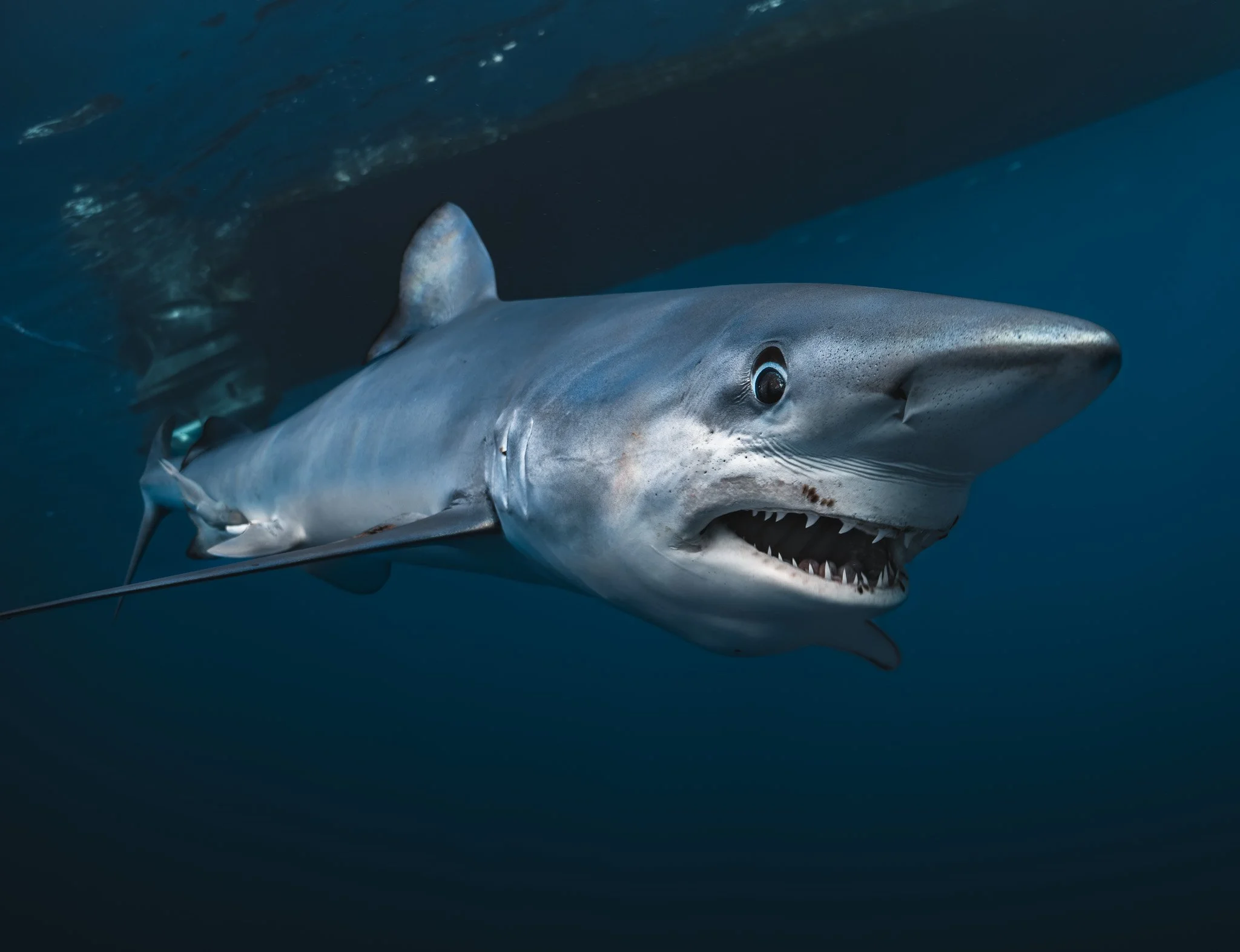
During the expedition, we’ll find other shark species as well: mainly Blue sharks but possibly Silky sharks as well.
Whenever we’ll find other shark species, we’ll get in the water to swim with them, interact with them and photograph them.
The main goal of the expedition is to tag those 3 Makos but you’ll also have plenty of time to be in the water with the sharks too.
For example, if a Blue shark or a Silky shows up, we’ll get in the water with them, if a Mako appears, we’ll get back on board to tag it if the individual is big enough to hold the tag on its dorsal fin. Once all 3 tags are placed, we’ll keep going out at sea every day to look for more sharks to swim with.
-
DIVING PROGRAM
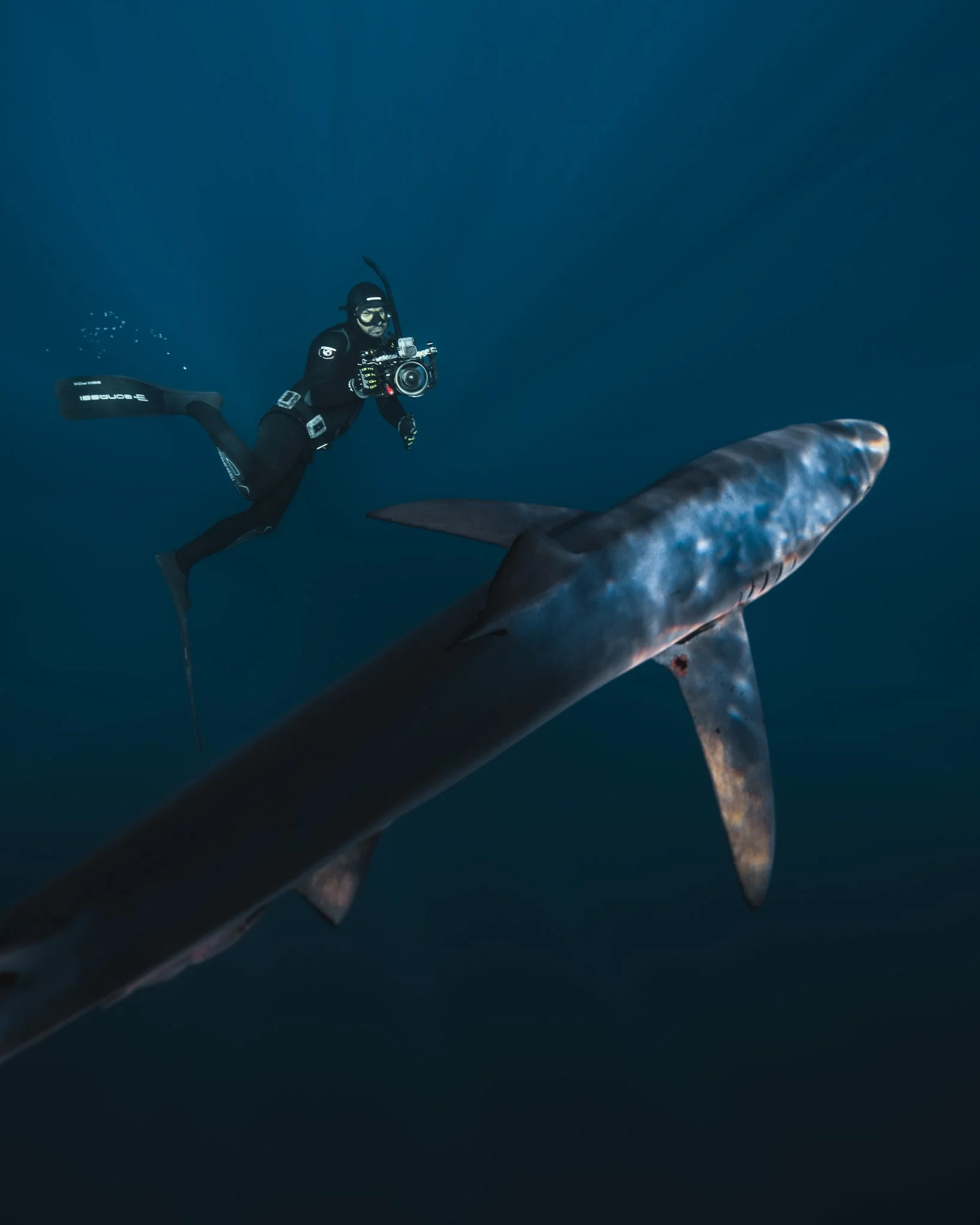
We’ll spend 5 full days out at sea to tag 3 Shortfin Makos and to swim with Blue sharks, Makos and possibly Silky sharks.
-
REQUIREMENTS
You don’t need any specific diving licence or scientific background but you need to be confident in the open ocean and a good swimmer obviously. These activities are snorkeling activities meaning that we will spend most of the time at the surface but if you are into freediving, we’ll be more than happy to dive down with you and meet the animals deeper !
-
INSURANCE
A dive Insurance is mandatory for this trip, we recommend DAN (find more infos here).
-
GEAR
If you have your own gear, definitely bring everyhing with you: mask, snorkel, camera, fins and wetsuit ! Water can be a bit cold so we recommend bringing a 3mm open cell or 5mm wetsuit. If you don’t have anything, all the gear you need will be available on the boat too.
PROGRAM
DAY 1 - April 5th 2026
In the morning, we’ll all meet in Cabo San Lucas and check in at our villa. In the afternoon, we’ll give you different workshops to prepare the week. We’ll talk about shark science, shark conservation and we’ll teach what we’ll exactly need from you during the tagging mission. We’ll give an extended presentation about shark conservation, their importance, the threats they’re facing and what we’re doing to protect them.
DAY 2 to DAY 6 - April 6th to April 10 2026
We’ll spend our entire days out at sea to look for Makos. The main goal of the expedition is to tag 3 Makos so this is what we’ll focus on first. Once our 3 Makos are successfully tagged, we’ll keep going out at sea to look for more sharks to swim with and to photograph.
If we find other species such as Blue sharks or Silkies, we’ll get in the water with them even if the tagging hasn’t been completed yet.
DAY 7 - April 11th 2026
For our last day, we’ll have breakfast and then it’ll be time to say goodbye.
What’s not included ?
Food
International flights
Personal expenses
Tips
Total price – 3’900chf (swiss francs)
Conditions
A deposit of 2’000chf needs to be paid in order to book your spot.
The rest of the expedition price must be paid by March 1st 2026.
The expedition will happen with a minimum of 3 persons.
We want things to be fair for everyone. This is why in case of cancellation, we’ll fully refund the client if we have enough time to find someone else to take the spot.
PRICING
What’s included ?
• 5 DAYS AT SEA TO TAG MAKOS AND SWIM WITH THEM
• ACCOMMODATION
• TRANSPORTATION
Transportation in Cabo San Lucas during the expedition
• WORKSHOPS
Shark science workshops to learn how to tag Makos and what we’ll need from you during the tagging
Shark conservation presentation